FastRecovery



How to Unformat Hard Drive and Recover Data from It | FREE
How to unformat hard drive in Windows 10/11? 3 ways to unformat HDD provided in this post will help you recover lost data from accidentally formatted hard drive.

By Lori / Updated on April 30, 2026


Format vs UnFormat
Format (usually refers to a high-level format) is a process of deleting all the data on a storage device like HDD, SSD, USB, SD card, etc and setting up a file system for it. You need to format a hard drive in some specific situations, such as, Windows reports “You need to format the disk in drive G: before you can use it”.
But if you format a hard drive by mistake, it can be a disaster, because it causes huge data loss. Unformat is to undo a format and recover data from formatted hard drives, or other storage devices. It can be done with backup or data recovery software.

Can You Unformat a Hard Drive After Accidental Formatting?
“My PC has two operating system on a C and E drive. I formatted my E drive by mistake when I was trying to format a flash drive. Is there a way to unformat a hard drive?How do I do it? Both drives have Windows 10 Pro.”
- Question from Microsoft Forum
Format delete all the data on a disk, but that’s not all. If you format a hard drive with the quick format, you still can unformat hard drive free and recover files from a formatted hard drive. Because it just “deletes” files from the disk and rebuild the file system, volume label, and cluster size.
- Use quick format in Windows Explorer.
- Perform a quick format with Disk Management.
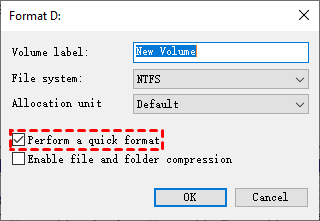
- Use quick format in command prompt, such as format fs=ntfs quick or format fs=fat32 quick
How to Unformat Hard Drive on Windows 10/11
Here are x effective methods to undo a format process. If you recover files easily and quickly, try data recovery software. Also, you can try backup image, or cmd to recover formatted files.
- Please stop using the disk after you format it. Any newly added data will overwrite lost files.
- The sooner you start data recovery, the higher the success rate.
- Don't download and install FastRecovery to the Seagate external drive where you store deleted files, which may cause data overwriting.
Method 1. Unformat HDD with Data Recovery Software
Data recovery software like FastRecovery is the easiest method to help you recover data from a formatted hard drive in a few steps. Below are some advantages of it:
- ★Features of FastRecovery:
- Free: It supports recovering files from a formatted disk for free, up to 500MB.
- 1000+ file recovery types: It allows you to recover photos, videos, documents, compressed files, etc. from the formatted hard drive or other devices.
- High success rate & fast speed: With advanced scanning technology, you can find as many of your files in a formatted disk and recover them successfully and quickly.
- Flexible layout: Organize and display all recoverable data by Type or Path, allowing you to sort, search, filter, and preview files.
- Wide compatibility: It supports Windows 7, 8, 10, 11, etc., and Windows Server as well as all file systems, such as NTFS, FAT32, exFAT, ReFS, etc.
Free download unformat hard drive software and install it on your Windows 10 or 11.
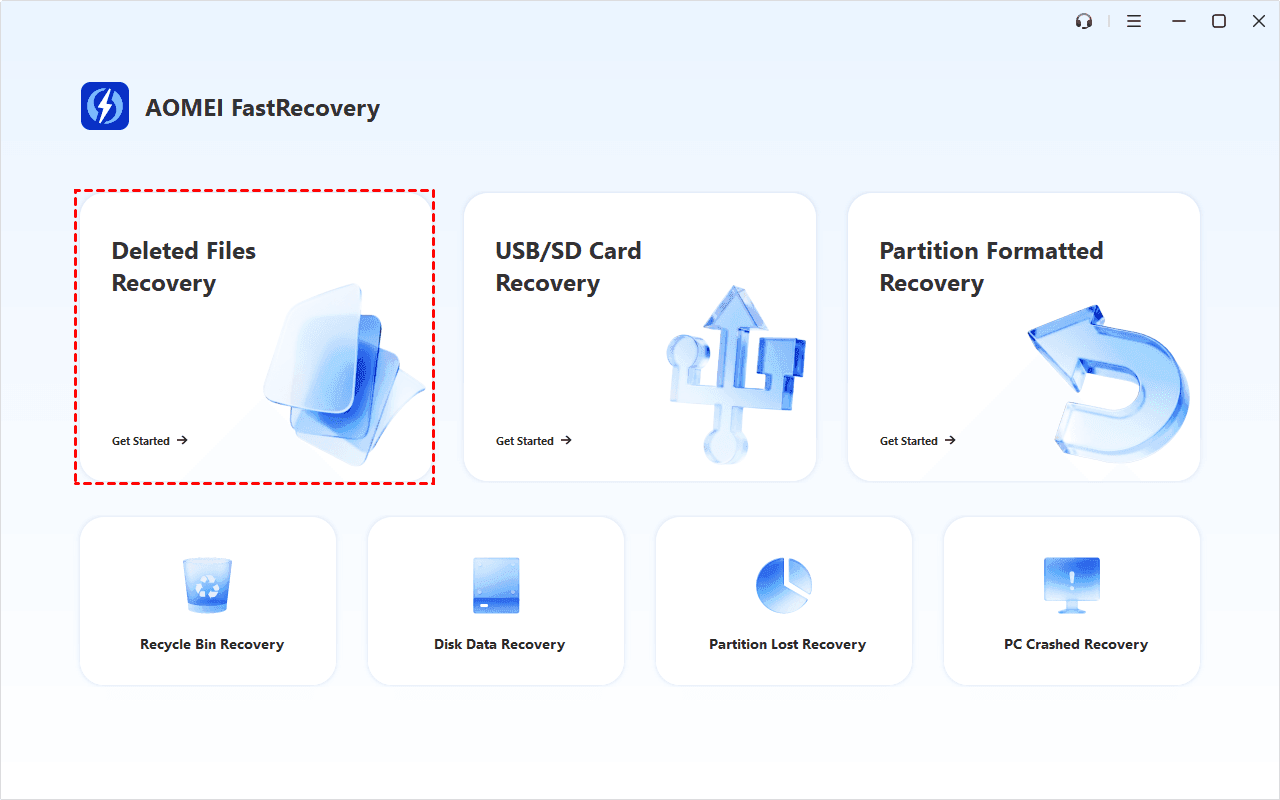
Step 1. Install the unformat hard drive freeware - FastRecovery and open it. Then, click Deleted Files Recovery.
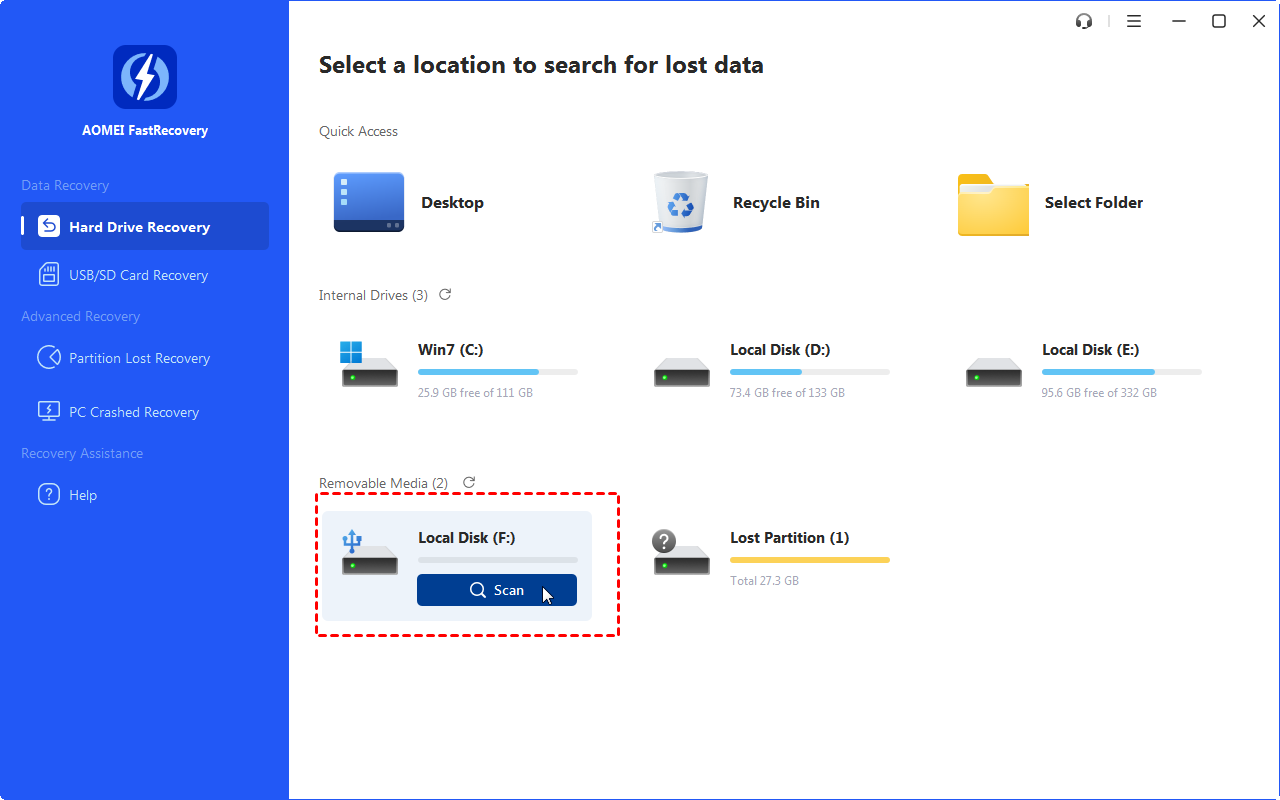
Step 2. Hover the mouse over the drive and click Scan to scan.
Step 3. It will automatically start a quick scan to find all lost files on a formatted disk. The scanning time depends on the data size. You can select files by Type (default) or Path, and combine them with options to sort, filter, search, and preview files.
- Sort: Sort files by name, date modified, type, etc., on the right panel.
- Filter: Specify the Type/Size (from Less than 512KB to 1GB above) to target your search.
- Search: Type the file name or extension in the search box to locate deleted files precisely.
- Preview: Preview files in a clear thumbnail, such as wav,ico, jpg, png, bmp, jpeg, tif, svg, gif, mp4, mp3, txt, xlsx, pdf, ini, docx, etc.
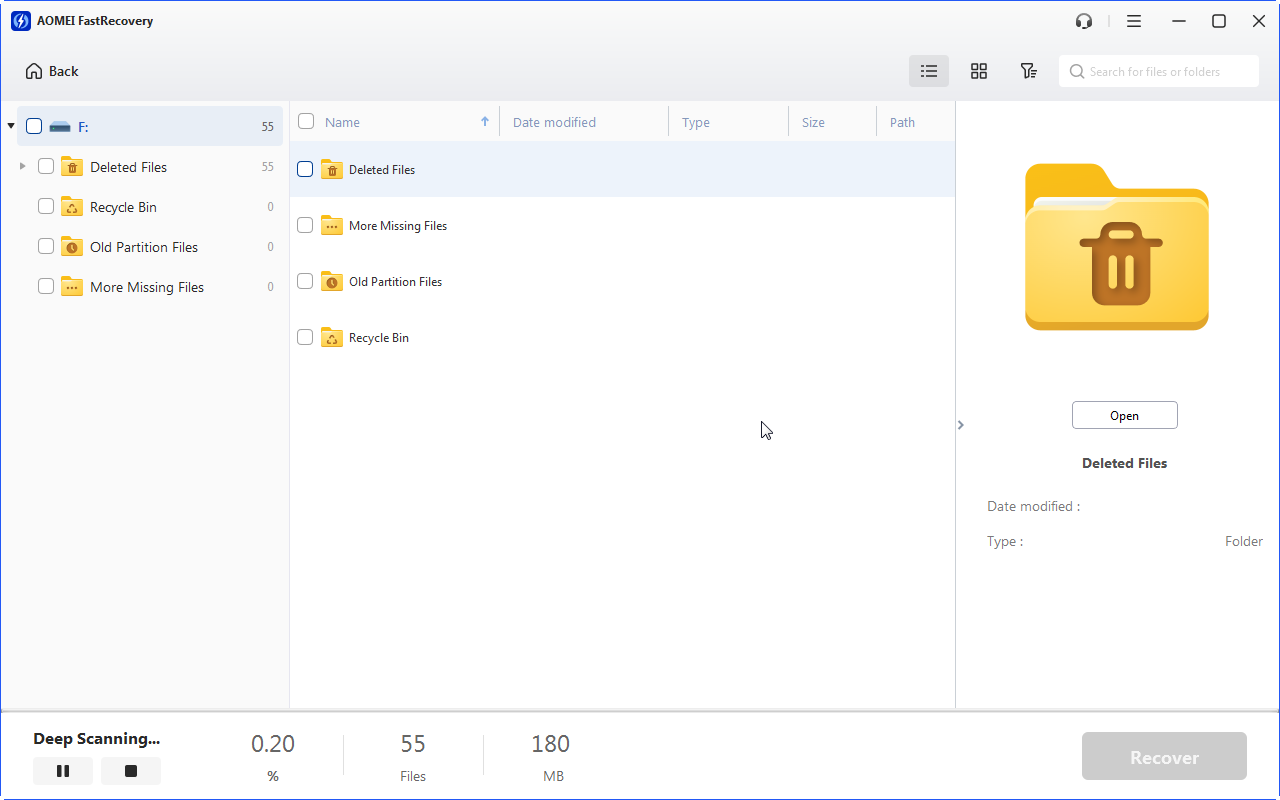
- The Type categories include all supported data types, including images, videos, documents, mails, web pages, compressed files, etc.
- The “ Filter ” feature offers similar capabilities to Type categories and allows you to narrow down the results by size, from less than 512 KB to 1GB above.
- Click the Deep Scan to find more data if Quick Scan fails. It will scan every sector of the disk and take longer.
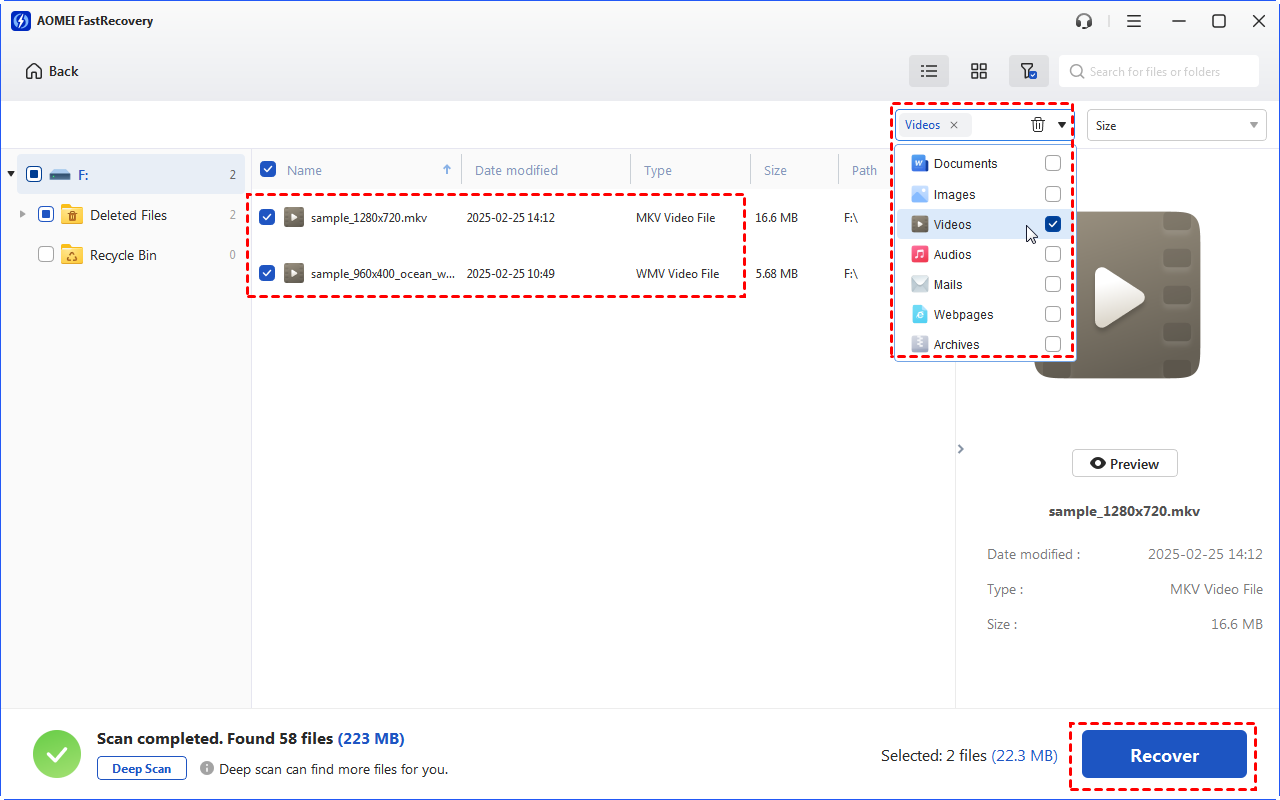
Step 4. Select specific or all files you want to recover and Click Recover to get them back.
-
Don't save the recovered files to the original location, as it may cause data overwriting.
-
The free edition only supports 500MB of data recovery. To recover more data, please upgrade to advanced editions.
Method 2. Unformat Hard Drive using Command Prompt
How to unformat a hard drive free? You can also use chkdsk and attrib to unformat HDD and recover formatted data in Windows 11/10/8/7. Although not 100% effective, it is worth a try.
Step 1. Type Command Prompt in the Windows search bar and click Run as administrator.
Step 2. Type chkdsk #: /f (Replace # with the letter of the formatted drive.) Press Enter and type Y to continue.

Step 3. Type the command attrib -h -r -s /s /d E:\*.* (Replace E with the drive letter of the formatted drive.). Press Enter.
Method 3. Unformat Hard Disk with Backup Image
Microsoft provides users with two built-in Windows backup software - Backup and Restore and File History to create a copy of your files. If you format hard disk, try to restore files from backup.
#Unformat Hard Disk from Backup and Restore:
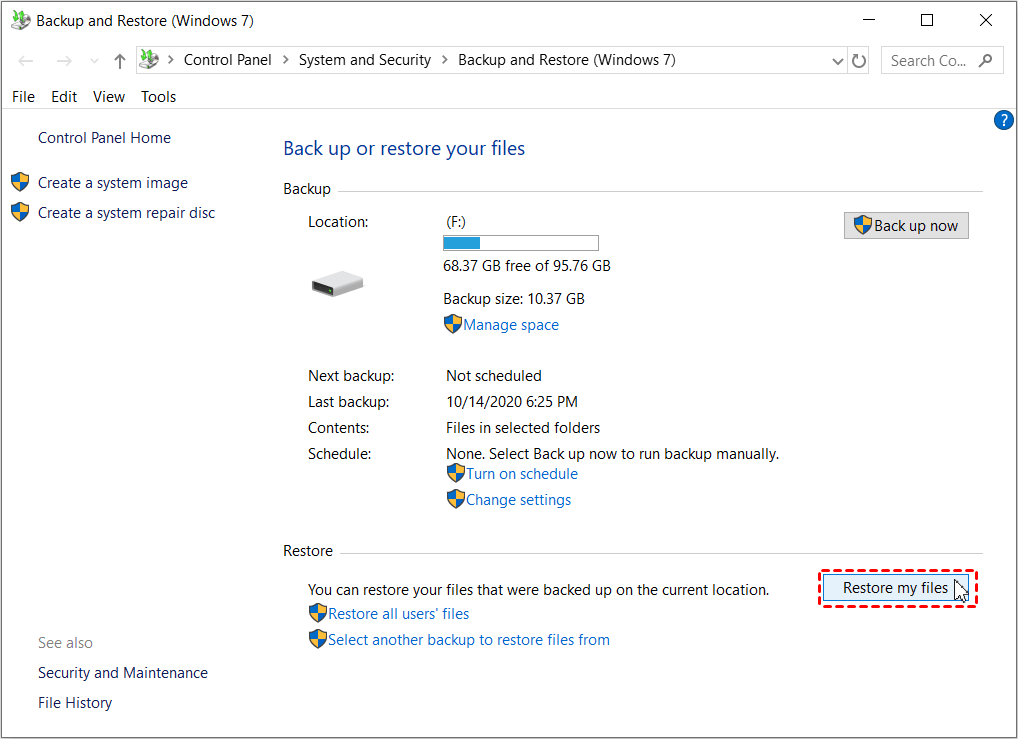
Step 1: Go to Control Panel > System and Security and select Backup and Restore (Windows 7). Click on Restore my files.
Step 2: Click “Search…”, “Browse for files”, and “Browse for folders” option to find your files or folders on a formatted disk.
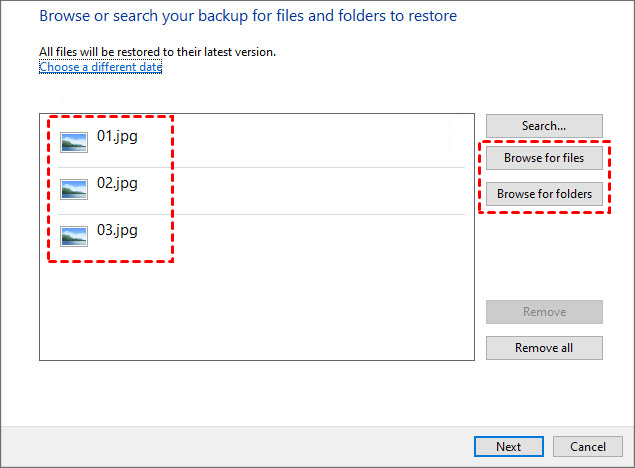
Step 3: Select where you want to restore your files - original location or new location and then click “Restore” to restore files from a formatted disk in Windows 10.
#Unformat Hard Disk from File History:
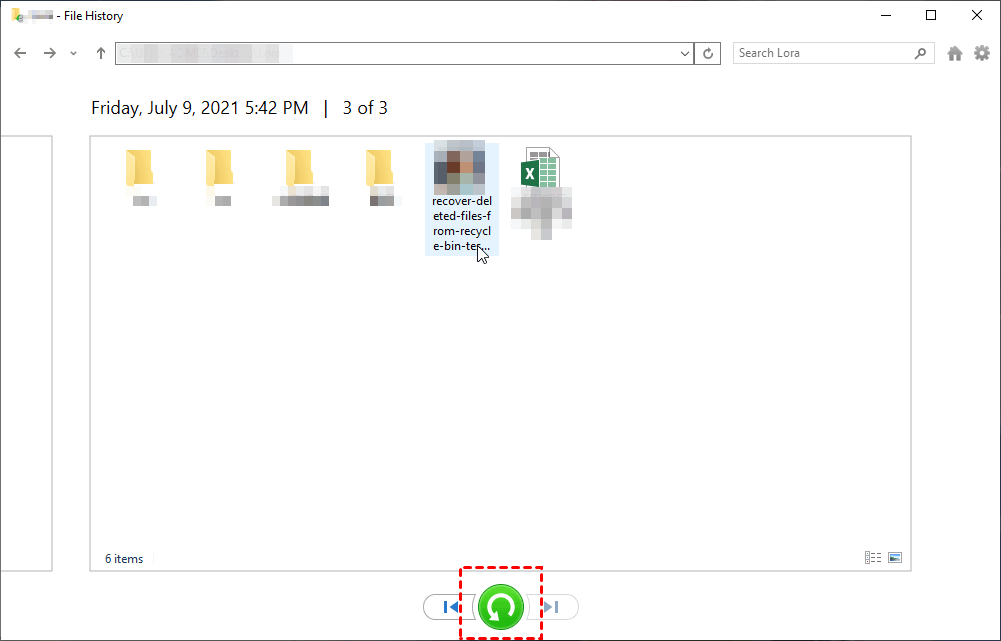
Step 1: Type “Restore your files with File History” in the search box and select the top result. It will direct you to the File History recovery window.
Step 2: Click the left and right arrow to find your files in the formatted disk and click the blue “Restore to original location” button to recover files.
How to Prevent Accidentally Format Disk & Backup Data
There are several useful tips to help you avoid data loss due to formatting. You can follow one or more of them in the following:
- Stop using the formatted drive to prevent overwriting data on it.
- Create a copy of your files on the disk automatically. It will include all the data on a disk. To backup all the changes made on this disk, you need to set a schedule backuptask.
- If your hard drive is external USB drive, please eject it or safely remove it before unplugging it.
- Install antivirus software and scan your hard drive regularly.
- Usereliable data recovery software like FastRecovery to unformat disk in Windows 10 or 11.
Among them, the best way is to create a copy of your files automatically. To make it and include all the changes, you need a reliable backup software for Windows, such as, AOMEI Backupper Standard.
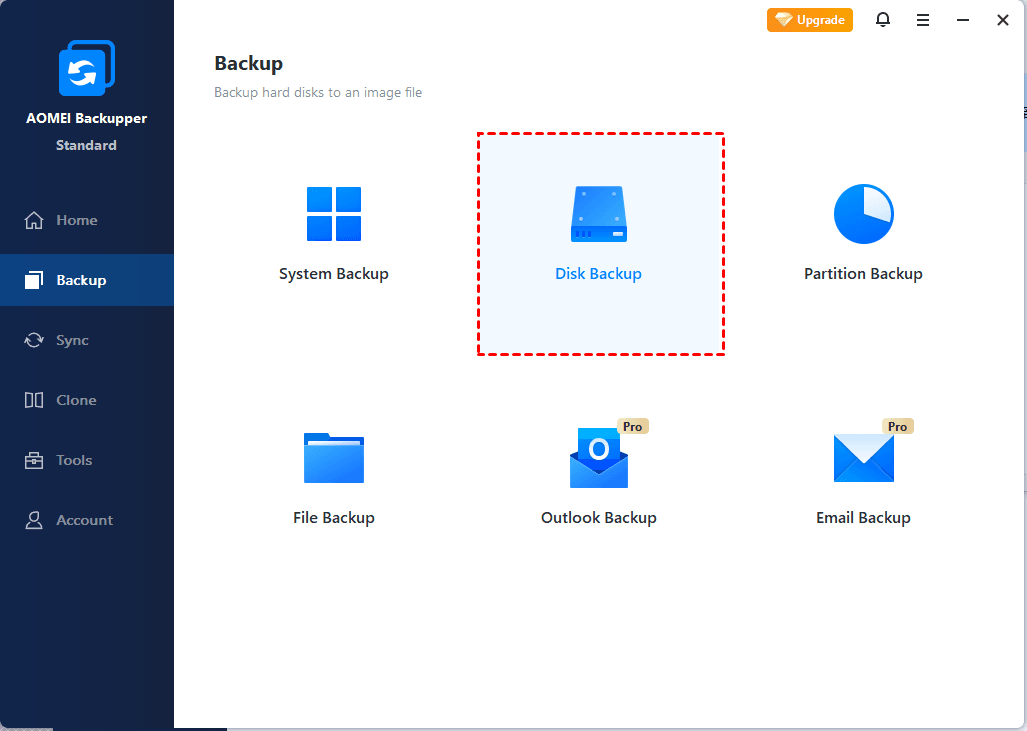
Step 1. Download and install Windows backup software - AOMEI Backupper Standard. Then, click Backup > Disk Backup to backup entire disk and data on it.
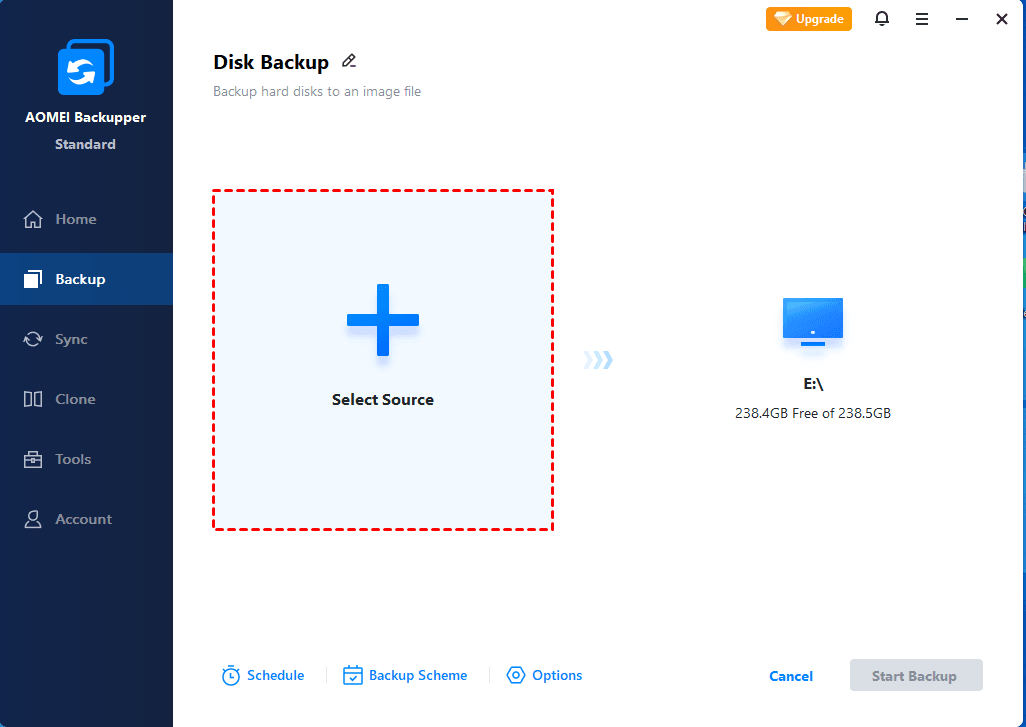
Step 2. Set the Task Name to distinguish backup task from each other. Click Add Disk to choose the hard disk you want to backup.
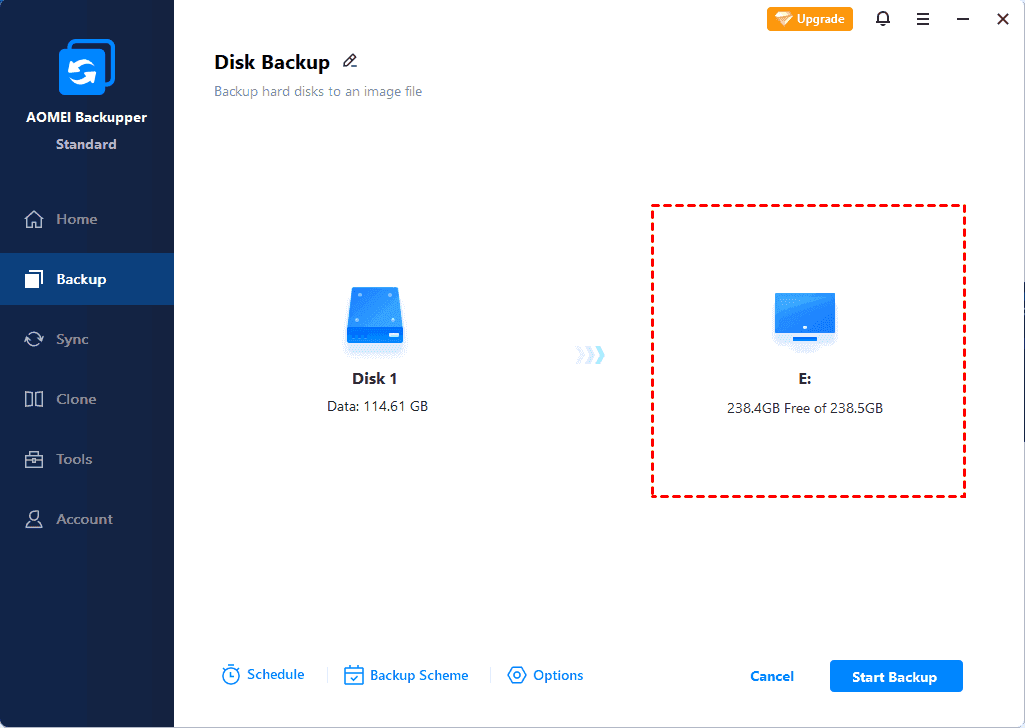
Step 3. Select a location to store all the data on your external disk. You can backup disk to external disk, USB drive, network drive, NAS device, Cloud Drive, etc.
Step 4 (optionally). Click Schedule Backup and enable Daily, Weekly, Monthly, Event triggers or USB plug in to backup disk automatically. Thus, you will not lose any change made on the disk.
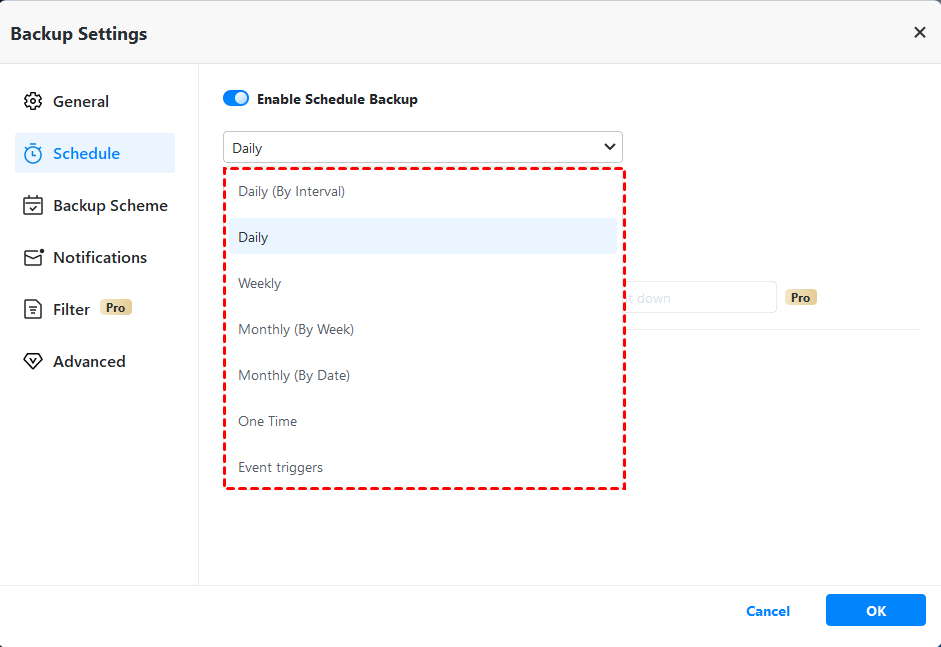
Step 5. Click Start Backup to backup disk in Windows 10 or 11. It will backup only changed files automatically if you make any change on the disk.
FAQs about Unformat Hard Disk
Conclusion
Hope you can successfully unformat hard drive in Windows 10/11 free and recover files from it with 3 effective methods above. FastRecovery is the easiest way if you don’t have a file backup or disk backup. It helps to successfully recover more than 1000+ file types from a formatted disk, USB drive, SD, etc.
To prevent accidentally format a disk or cause data, the best way is to create a file backup with a reliable and free backup software, AOMEI Backupper Standard, for example. If you enable its Schedule Backup, it will backup all the changes made later. If this guide helps you, please share it with others.
 100%
Clean & Secure
100%
Clean & Secure