AOMEI Backupper


Download Windows 10 Boot Repair Tool (USB Drive)
Here you will learn how to download the Windows 10 boot repair tool (USB drive) and create a bootable USB drive to fix any system errors or just in case. Scroll down to learn more.

By Ivy Updated on August 28, 2025


Seeking Windows 10 boot repair tool for troubleshooting
"I installed a recent update to my Windows 10 pro 64-bit machine, but I can't boot it normally. I tried the SFC Scannow, DISM command, reset this PC, and keep my files, but no success. Is there a Windows 10 boot repair tool (integrated with USB drive) to repair Windows 10?"
The answer is yes, you can repair Windows 10 from USB drive, and there is more than one tool.
- Microsoft provides users with a "Recovery Drive" feature to create a Windows 10 boot repair tool, which requires you to prepare an empty USB drive with 16GB or larger capacity.
- You can also download the Windows 10 disc image (ISO file) to create one manually or directly use the installation media.
- If you have no USB around, only a CD/DVD, you can choose to create a Windows 10 system repair disc.
In the following article, I will introduce how to make a recovery USB and how to use it to repair a system.
 Alternative - Create a Windows 10 Repair Disk Just In Case
 If you're creating a Windows 10 Repair USB just in case, a 3rd-party tool integrated with the backup and restore feature will be a better choice. Learn More »
Create Windows 10 boot repair USB with Recovery Drive
It is a wise choice to create a Windows 10 repair USB drive in case of system problems. So we can repair Windows 10 from boot USB at the first time. Here, take the "Recovery Drive" feature as an example:
Step 1. Connect a USB drive to your working computer and make sure it can be detected.
Step 2. In the search box, type "recovery drive" and choose "Create a recovery drive."
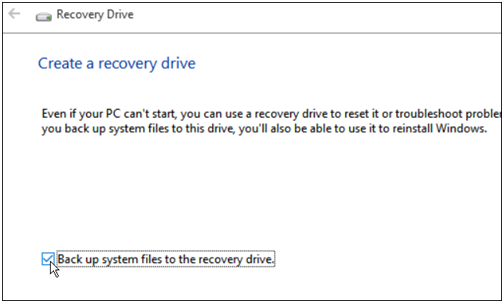
Step 3. In the small pop-up window, check the option "Back up system files to the recovery drive" and click "Next."
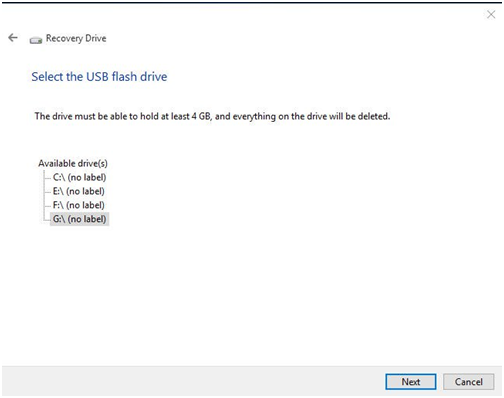
Step 4. Select a USB flash drive and click "Next."
Step 5. Click "Create" to start the operation.

If you need to repair system using boot repair USB drive, e.g., when your operating system fails to boot, insert it into your computer and boot, then repair Windows 10 from USB drive.
Step 1. Click the Power button to start your computer and press the BIOS key (F2, F10, ESC, etc) to access the BIOS setup.
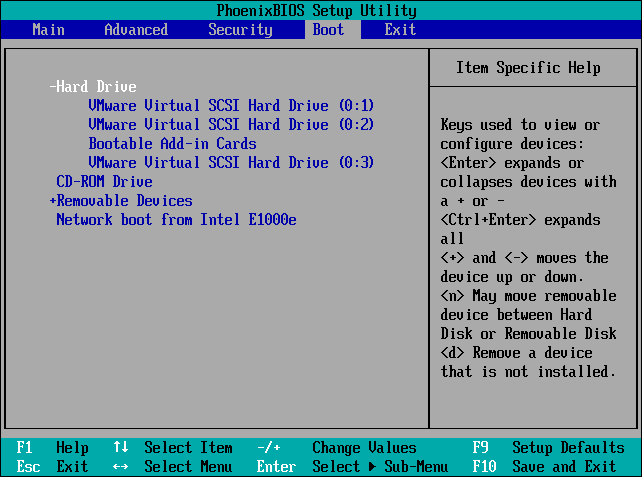
Step 2. Go to the Boot tab and move the USB drive to the first choice.
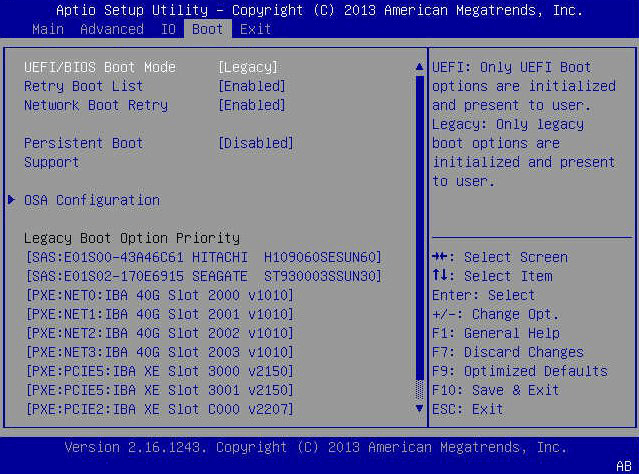
Step 3. Save changes and exit the BIOS Setup. It will boot from the USB drive automatically. Press a key when you see a prompt, "Press any key to boot from USB drive".
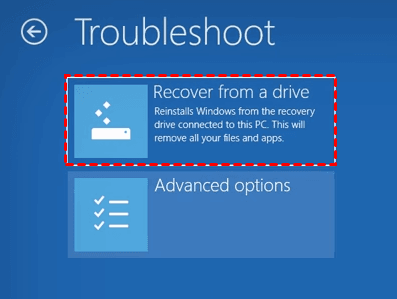
You will see a Windows Setup screen once you access the recovery environment window. Click "Next" and "Repair your computer". Then, in the "Troubleshoot" window, you will see two options.
- Click "Recover from a drive" if you want to reinstall Windows 10.
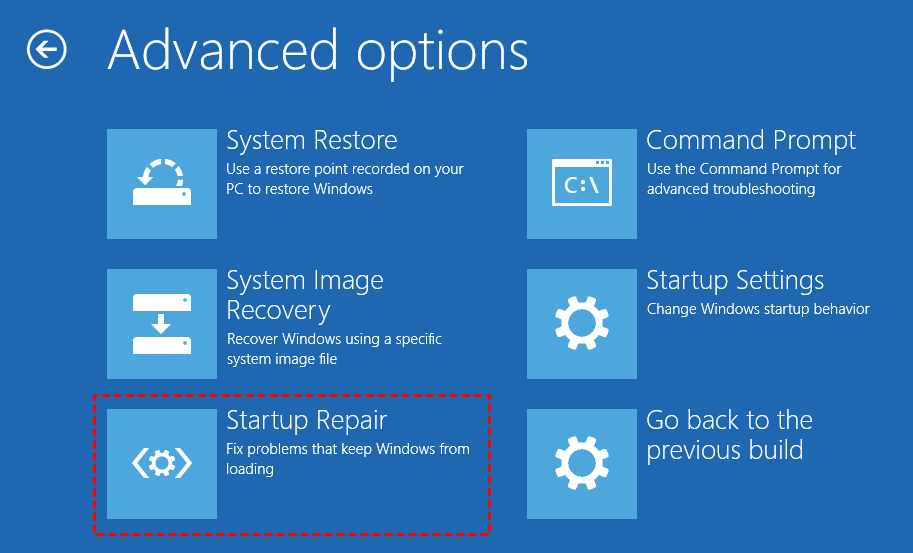
- Click "Advanced options" to access more diagnostic and repair tools, such as"Startup Repair", "Command Prompt", "System Image Recovery", etc.
Here are 5 ways to repair or reinstall Windows 10. Learn and select one among them:
#1: Recover from a drive
Step 1. After selecting "Recover from a drive", you need to opt for "Just remove my files" or "fully clean the drive".
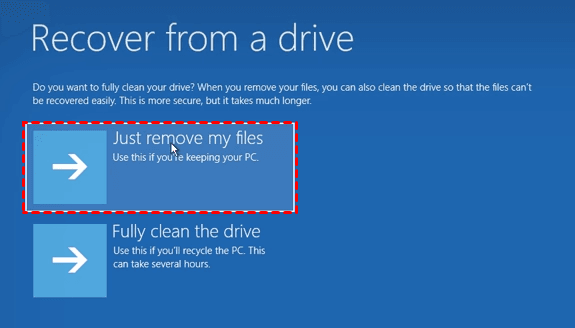
Step 2. Click "Recover" to start the process. It will take a while to finish and restart your computer.
Step 3. You'll be asked to configure your preference settings. Just follow the on-screen instructions to make it.
#2: Perform Startup Repair
Click "Startup Repair" in the Advanced options window. It will attempt to fix the boot issues automatically. Just wait patiently.
#3: Repair damaged system files
Step 1. Click "Command Prompt" in the Advanced options window
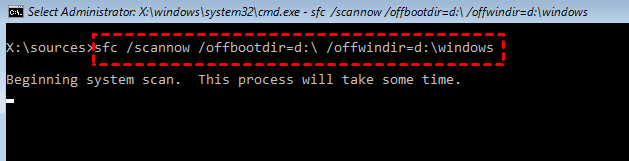
Step 2. In the Command Prompt window, type the following command and hit "Enter". Replace d: with the drive letter of the partition that contains your Windows installation.
"sfc /scannow /offbootdir=d:\ /offwindir=d:\windows"
#4: Rebuild MBR
Step 1. Click"Command Prompt" in the Advanced Options window
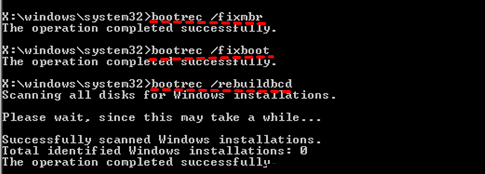
Step 2. In the Command Prompt window, type the following commands one by one and press "Enter".
- bootrec /fixmbr
- bootrec /fixboot
- bootrec /rebuildbcd
#5: Restore from a system image
Step 1. Click "System Image Recovery" in the Advanced Options window.
Step 2. Select the operating system you are using, Windows 10, for instance.
Step 3. In the Re-image your computer, select the recommended system image and click "Next".
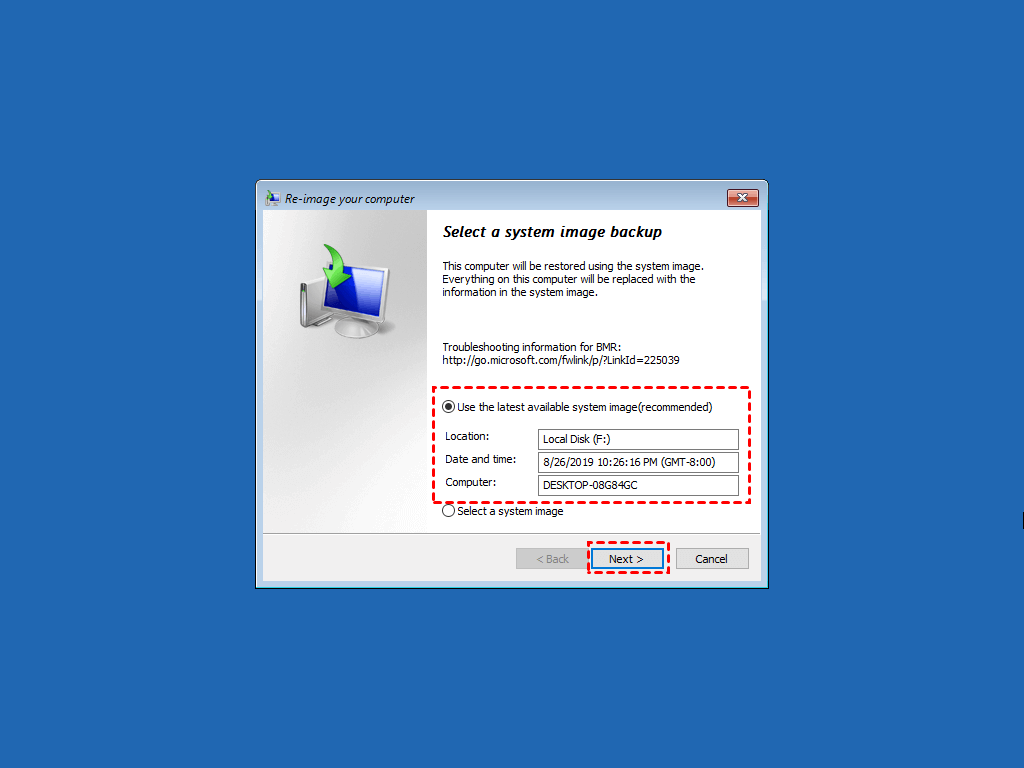
Step 4. Select the Format and repartition disks option, then click Next > Finish > Yes to restore Windows 10 image to new hard drive.
Sometimes, you will find Windows 10 bootable USB not working. Various reasons can lead to this issue and there are ways to fix it. Read More >>
💡Alternative - Create a Windows 10 repair disk just in case
- You need to create a Windows 10 repair boot USB for another computer.
- Sometimes you are even unable to create a recovery USB disk.
- Create a Windows 10 repair disk just in case.
The third-party boot repair tool, AOMEI Backupper Standard, will be a top choice, as it integrates backup and restore features to help you protect your OS and data safely. When your PC fails to start, you can boot it from the bootable USB and restore system to new hard drive or SSD quickly.
 AOMEI Backupper
- Multi-storage media - It supports USB drives, CDs/DVDs, and ISO files.
- Universal - The created media can be used on Windows 11/10/8.1/8/7/Vista, both 32-bit and 64-bit systems, as well as Legacy BIOS and UEFI modes.
- Flexible backup task - Apart from creating system image backups, you can also backup disks, partitions, or selected files/folders.
- schedule backup - It allows you to perform automatic backup in daily, weekly, monthly, etc for free.
- Incremental backup - It's capable of backing up only changed files in a scheduled task, greatly saving time and effort.
 100% Secure
Now, download the free bootable media creator - AOMEI Backupper Standard to get started.
Steps to create a Windows 10 bootable USB drive (Universal)
Before creating a Windows 10 bootable USB drive, get the following items prepared:
-
Insert a USB drive into a working computer running Windows 10 and ensure it can be detected.
-
Backup files before creating a Windows 10 repair boot USB.
-
Create a system image and save it to a safe location in case of recovery needs.
Then, open this free Windows 10 boot repair tool to create a bootable USB drive.
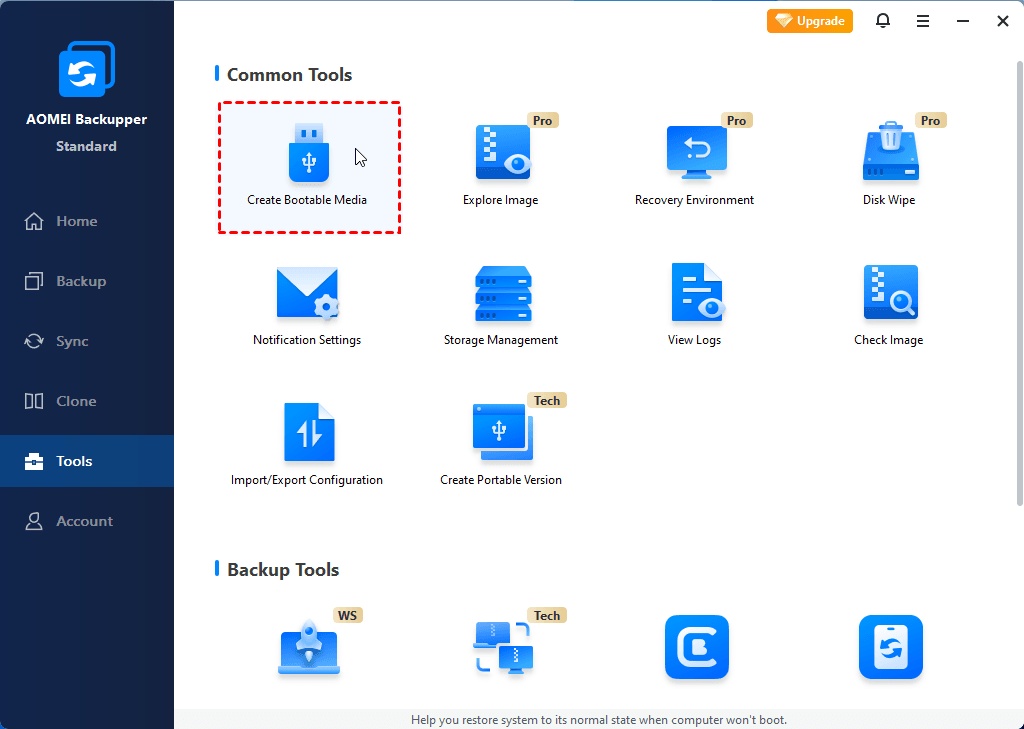
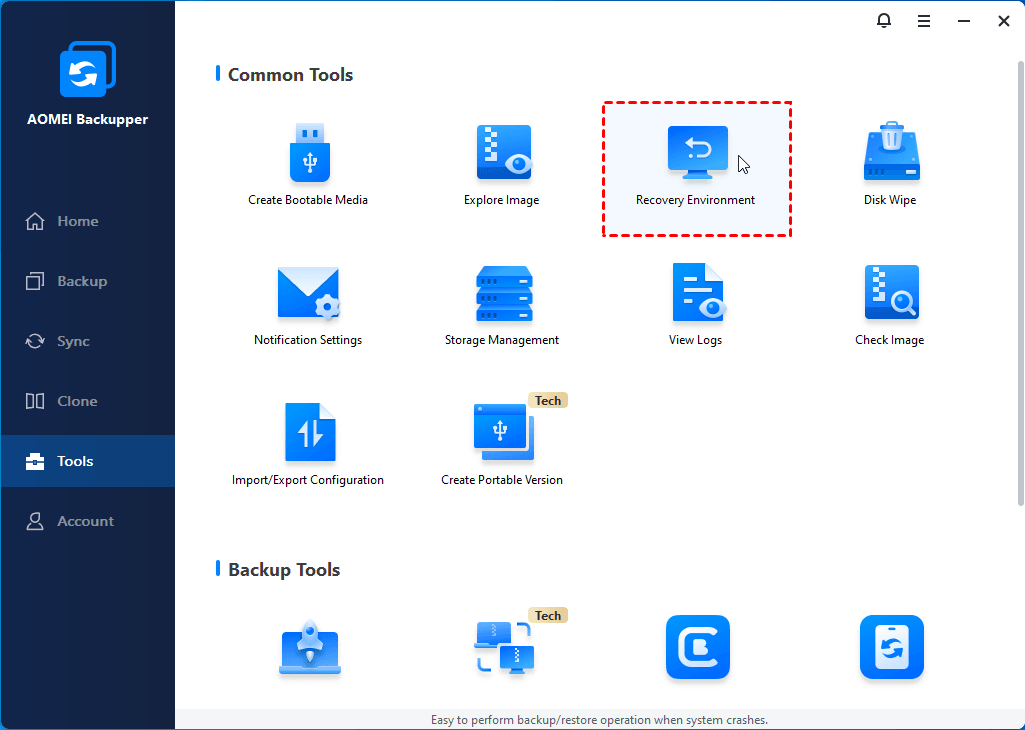
Step 1. In the main interface, click Create Bootable Media under the Tools tab.
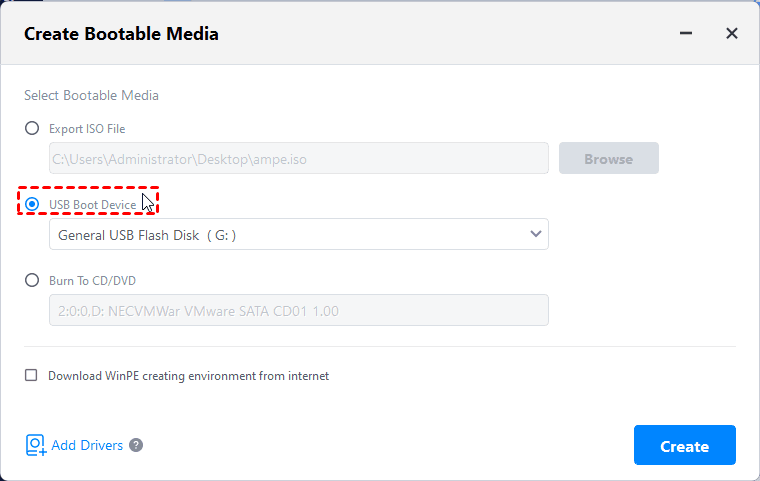
Step 2. Select USB Boot Device and click Create to execute. The created disc is compatible with both legacy/MBR and UEFI/GPT.
When the process completes, click on the “OK” button.
You can then boot from the created bootable USB drive. You need to access the BIOS and set the USB drive as the first boot option.
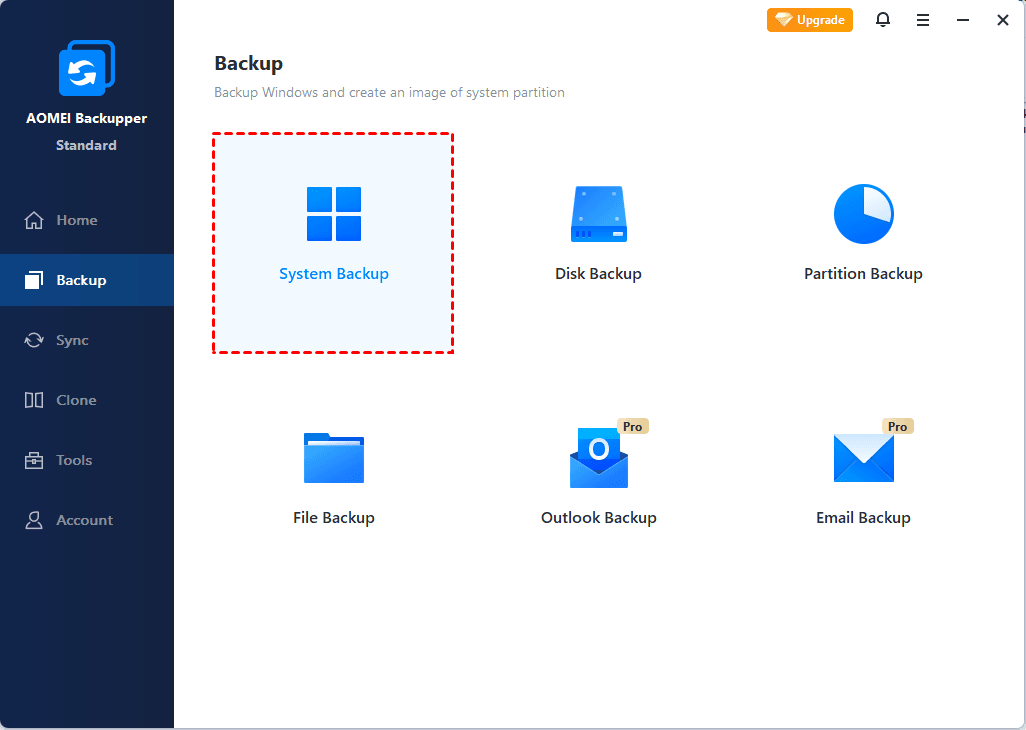
After loading, you'll access this free bootable media creator - AOMEI Backupper, and enjoy all the features in it. It supports different backup tasks, from system backup to disk backup, partition backup, file backup, etc. Correspondingly, it allows you to restore the system or disk to new hard drive or SSD when your computer fails to boot.
If your computer has different hardware, you need to use the Universal Restore feature (available in the Professional edition) to resolve the driver incompatibility issues.
-
A bootable USB drive created by AOMEI works on any computer running the same or lower versions of Windows.
-
In the Professional edition, you can still enjoy the Recovery Environment feature to boot from AOMEI Backupper at the next system startup. It's faster and does not require any storage device.
Further reading, you may care
The benefit of the Windows 10 boot repair tool
With the Windows 10 boot repairtool, you can benefit from the following aspects:
⭐A suite of diagnostic and repair tools: It includes different troubleshooting and repair tools, such as System Restore, Startup Repair, Command Prompt, etc., enabling you to fix missing or corrupted system files as well as other system errors.
⭐Easy Access: With a bootable USB drive, you can easily access the repair tools from the recovery environment to repair or reinstall Windows 10.
⭐Portable: It's easy to carry and use on multiple devices, making it a versatile tool for IT professionals and users who need to repair Windows 10 in any situation.
Ultimate Boot CD for Windows 10
The Ultimate Boot CD is a free bootable recovery tool designed to fix and troubleshoot computers that won't boot. It includes diagnostic tools for testing the CPU, RAM, hard drive, video card, and other hardware components. This utility helps you diagnose issues and recover your malfunctioning computer.
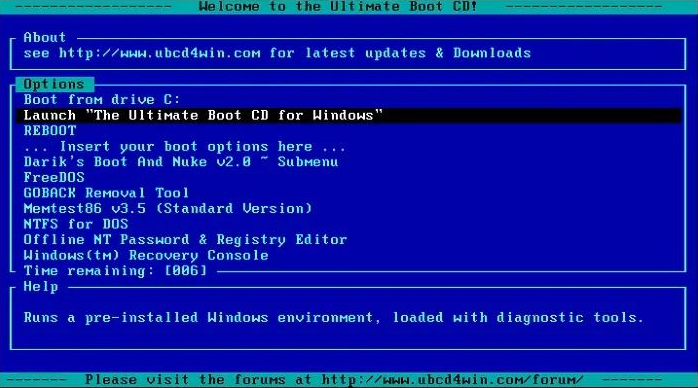
It provides excellent diagnostic tools and creates a bootable ISO on a CD, DVD, or USB flash drive. This tool allows you to run floppy-based diagnostics quickly from CD-ROM or USB devices, eliminating the need for outdated floppy disks. It sets up a virtual instance of the floppy within a BIOS-like user interface.
Verdict
If your computer becomes unbootable, it is nice to fix the issue using the Windows 10 boot repair tool (USB drive). It is effective and simple to restore the system using bootable media created by AOMEI Backupper. All in all, it is wise to back up the system in advance so that you can restore the system if necessary.
If you want to protect unlimited computers within your company, you can pick AOMEI Backupper Technician. With the inbuilt AOMEI Image Deploy tool, you are also allowed to deploy/restore system image files on server-side computers to multiple client-side computers over a network.
FAQs about creating Windows 10 repair bootable USB
#1. Can I use any USB drive for creating a Windows 10 repair boot USB?
Yes, you can use most USB drives with sufficient capacity (at least 16GB). Ensure there's no critical data on the drive, as the process will format it.
#2. How do I boot from a Windows 10 repair USB?
#3. Can I use a repair boot USB on multiple computers?
#4. Can I use a Windows 10 installation DVD instead of a USB for repair purposes?
#5. How often should I create a new Windows 10 repair boot USB?
#6. What are the causes of Windows 10 Boot Failure?
There are several common causes for Windows 10 boot failure. Corrupted system files, often resulting from malware, improper shutdowns, or software conflicts, can prevent the system from starting.
Additionally, faulty hardware like the hard drive, RAM, or motherboard, boot configuration errors after system updates or improper configuration changes, and incompatible or outdated drivers driver after installing new hardware or updating drivers can also lead to boot problems.
 100%
Clean & Secure
100%
Clean & Secure